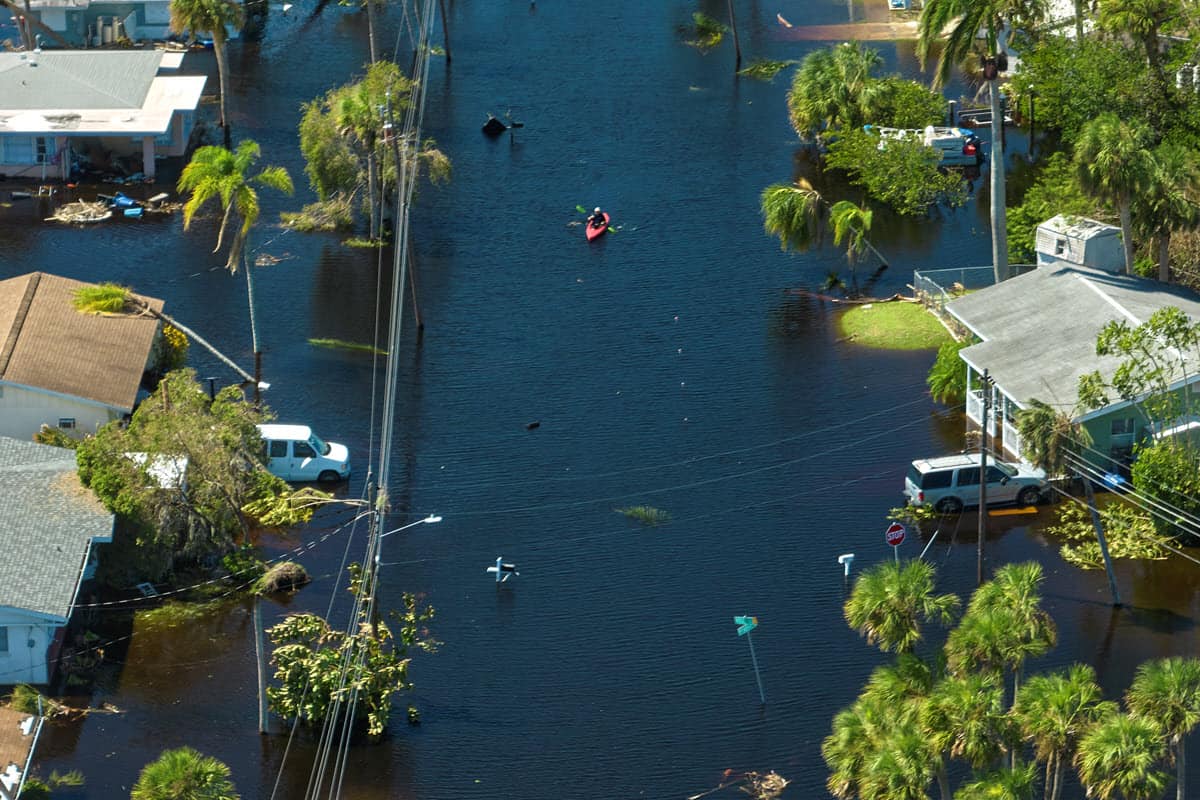
Access to reliable power becomes a critical lifeline for affected communities in the wake of natural disasters. Solar generators have emerged as a game-changing solution in disaster relief efforts, offering a sustainable and efficient means of providing essential power when traditional infrastructure fails. This article explores the vital role of solar generators in crisis situations and their impact on recovery efforts.
Understanding Solar Generators
Solar generators harness the sun’s power to produce electricity, storing it in batteries for use when needed. These systems typically consist of solar panels, batteries, inverters, and charge controllers. They come in various sizes, from portable units ideal for individual use to larger fixed systems capable of powering entire facilities.
To better understand the technology behind these crucial devices, check out our article on the technology behind solar-powered generators.
Advantages of Solar Generators in Disaster Relief
Solar generators offer numerous advantages in disaster relief scenarios:
- Reliability and sustainability: Unlike fossil fuel-powered generators, solar generators provide a renewable energy source that doesn’t require constant refueling.
- Portability and ease of deployment: Many solar generators are designed for quick setup and mobility, crucial in rapidly changing disaster environments.
- Low maintenance and operational costs: With fewer moving parts than traditional generators, solar systems require less maintenance and have lower ongoing costs.
- Environmental benefits: Solar generators produce clean energy, reducing the carbon footprint of relief efforts.
- Noise reduction: The silent operation of solar generators is beneficial in sensitive situations and contributes to a calmer environment in crisis zones.
For more information on how solar generators contribute to reducing environmental impact, read our article on the impact of solar generators in reducing carbon footprint.
Critical Applications of Solar Generators in Disaster Zones
Solar generators play a crucial role in various aspects of disaster relief:
- Powering medical equipment and facilities
- Providing clean water through solar-powered purification systems
- Enabling communication systems for coordination and information dissemination
- Lighting for safety and continued operations after dark
- Refrigeration for food and medicine preservation
Case Studies: Solar Generators in Action
Real-world examples demonstrate the effectiveness of solar generators in disaster relief:
- Hurricane Maria in Puerto Rico: Solar generators provided critical power for hospitals and water treatment facilities.
- Nepal earthquake relief efforts: Portable solar units enabled communication and lighting in remote areas.
- Wildfire response in California: Solar-powered stations supported evacuation centers and emergency services.
- Flood relief operations in developing countries: Solar generators powered water purification systems, preventing waterborne diseases.
Challenges and Limitations
While solar generators offer numerous benefits, they also face challenges:
- Initial cost considerations: The upfront investment can be higher compared to traditional generators.
- Weather-dependent power generation: Cloudy conditions can affect power output.
- Storage capacity limitations: Battery capacity determines the duration of power availability.
- Education and training needs: Proper use and maintenance require some level of training.
For insights on how solar generators function during nighttime or cloudy conditions, refer to our article on how solar generators work at night and during cloudy days.
Innovations and Future Trends
The field of solar generation is rapidly evolving, with advancements in solar panel efficiency, improved battery storage technologies, and integration with smart grids and IoT. These innovations promise to make solar generators even more effective in disaster relief scenarios.
Implementing Solar Generators in Disaster Preparedness Plans
Integrating solar generators into disaster preparedness plans involves assessing power needs for different scenarios, collaborating with various stakeholders, and developing community-based solar initiatives for resilience.
For a broader understanding of solar energy and its applications, including in disaster relief, explore our comprehensive guide on solar power and solar energy.
Economic and Social Impact
Beyond immediate relief, solar generators contribute to long-term economic and social benefits:
- Cost savings for disaster relief operations over time
- Job creation in the renewable energy sector
- Empowering local communities through energy independence
Conclusion
Solar generators play a vital role in disaster relief, providing clean, reliable power when it’s needed most. As technology advances and adoption increases, these systems will become an even more crucial component of emergency preparedness and response.
By embracing solar technology in disaster relief efforts, we can build more resilient communities and ensure that power remains available even in the most challenging circumstances.
To learn more about how solar generators fit into overall emergency preparedness strategies, read our article on the role of solar generators in emergency preparedness.
FAQ
What makes solar generators so valuable in disaster relief?
Solar generators are crucial in disaster relief because they don’t rely on fuel, which is often scarce after disasters. They’re quiet, portable, and can be deployed quickly to power communication devices, medical equipment, lighting, and water filtration systems—helping keep people safe and connected when the grid is down.
How do solar generators compare to traditional gas generators in emergencies?
Unlike gas generators, solar units don’t need refueling, so they’re more reliable when supply chains are disrupted. They’re also much quieter, which is important in crowded shelters or residential areas, and they don’t produce harmful emissions, making them safer for indoor or close-quarters use.
What are the latest advances making solar generators more effective for disaster response?
Modern solar generators are lighter, more efficient, and more durable than ever before. Advances include impact-resistant and weatherproof panels, improved battery storage for nighttime or cloudy conditions, and smart features like remote monitoring and automatic switching between solar and backup power sources.
Can solar generators power critical equipment like medical devices or water systems?
Yes—solar generators are often used to run medical equipment, power water purification systems, and keep communication devices charged in disaster zones. Pairing solar panels with battery storage ensures these essentials stay powered even when the sun isn’t shining.
How can communities or organizations maximize the impact of solar generators in disaster preparedness?
For best results, plan ahead: assess critical power needs, choose scalable or portable solar systems, and train local users on setup and maintenance. Integrating solar into disaster plans—sometimes alongside other backup sources—builds community resilience and ensures reliable power when it’s needed most.
Leave a Reply